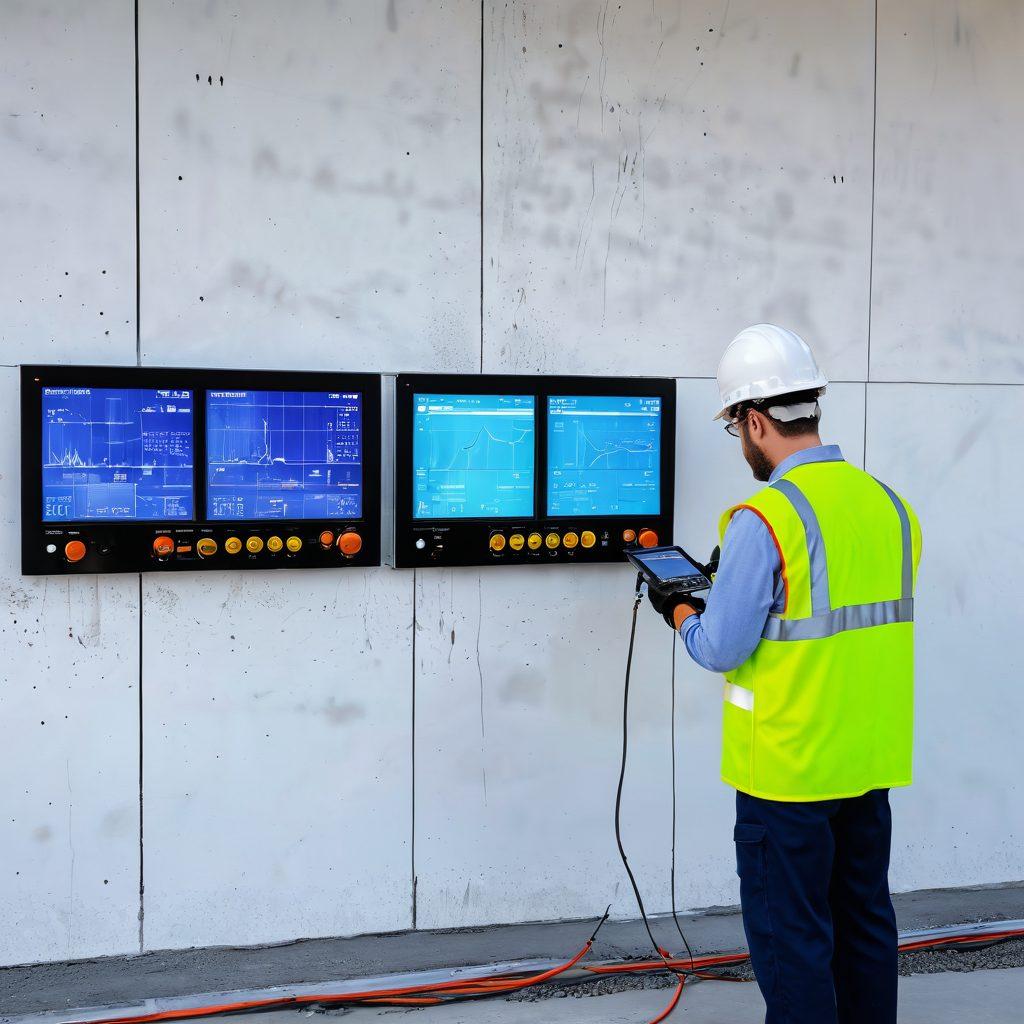
Unveiling the Secrets of Structural Integrity: Effective Strategies for Crack Detection and Repair
Cracks in your walls, pavement, or even your treasured pieces of furniture can feel like the onset of doom. Whether it's a hairline fracture sneaking across your favorite ceramic vase or a large chasm threatening the stability of your home, effective crack detection is crucial in preserving structural integrity. The art of crack identification isn't just about recognizing a break; it's about understanding the deeper implications of these flaws and how to address them proactively. So, are you ready to master the skill of crack discovery?
Picture this: You're walking through a historic building, and your eyes catch the intricate details of architectural beauty. Suddenly, you spot a tiny crack silently creeping along the wall. Do you know the first steps to take for effective crack monitoring? The journey begins with meticulous crack inspection. Start by evaluating the surroundings of the found cracks. Are they growing? Is there any moisture present? Perhaps even capturing images for crack mapping could aid in future assessments and repairs. Each small detail can contribute to a larger narrative of structural integrity.
When faced with cracks, the next logical step is crack analysis. This is where the detective work truly begins. By documenting the type and severity of the cracks, you can effectively categorize them. Are they structural or non-structural? What caused them? This stage is imperative not just for understanding the symptoms but for conducting a thorough investigation into the root causes. As the saying goes, 'knowledge is power,' and with crack evaluation, you're not just solving a puzzle—you're possibly preventing material failure in the future.
Imagine receiving a report from a specialist after a detailed crack assessment. The report indicates that the cracks are merely cosmetic due to the effects of temperature changes—phew! Or maybe you learn there's underlying structural damage requiring immediate crack repair. This constant balancing act is essential because ignoring issues could lead to more extensive damage identification later. “An ounce of prevention is worth a pound of cure.” By actively engaging in routine crack detection, you can mitigate risks and keep your structures safe.
Finally, the aftermath of crack investigation often leads us to the path of healing—crack repair. Whether you choose DIY methods or seek professional help, understanding your options is essential. Epoxy injections, sealing compounds, or even complete slab replacements may be necessary, depending on the crack severity. This is where your newly mastered skills in crack identification and monitoring will pay off. Remember, a well-repaired crack not only enhances the aesthetic value but also ensures long-lasting structural integrity. So, are you prepared to take actionable steps to safeguard your assets?
From Discovery to Repair: Navigating the Crack Assessment Journey
When it comes to maintaining structural integrity, understanding the journey from crack discovery to repair can be both fascinating and daunting. Have you ever looked at a building and wondered what hidden flaws lurk beneath its surface? With the sheer weight of potential consequences tied to undetected cracks, embarking on this journey of crack assessment is essential. In this blog, we’ll delve into the intricacies of crack detection and repair, shedding light on effective strategies that can not only enhance safety but also prolong the lifespan of structures.
Imagine you’re walking through a historic building, admiring its craftsmanship, when you suddenly encounter a small yet unmistakable fracture in the wall. This moment of crack identification can trigger a wave of unease. It’s crucial to realize that once found cracks are detected, proactive measures must ensue. Crack inspections, conducted regularly, allow for early damage identification, which can mitigate significant material failure. As Robert C. Martin said, 'The first step in solving any problem is recognizing there is one.'
Crack analysis isn’t just about spotting these fractures; it’s about understanding their implications. Regular crack monitoring can provide insights into issues like underlying stress or changes in environmental conditions affecting the structure. Have you ever considered how subtle hairline cracks could evolve into major defects if ignored? This open-ended question prompts an important consideration: typically, well-maintained structures reveal fewer and smaller fractures, emphasizing the importance of routine inspections and evaluations. Through crack mapping, professionals can monitor even the tiniest symptoms of structural distress before they escalate.
Once a crack is discovered, the path leads to detailed investigations. Here, professionals employ various techniques for crack evaluation, including non-destructive tests and advanced imaging technology. It’s like a health check-up for buildings! Each crack exposed can yield valuable data, helping to create a comprehensive profile of the structure's overall condition. For the building owner or manager, understanding the results translates into informed decisions about necessary crack repair strategies—whether to perform a simple fill, undertake more extensive repairs, or possibly reevaluate the integrity of the entire structure.
Ultimately, the crack assessment journey is not just technical; it's personal. Each crack holds a story and speaks volumes about the environment it’s been through. It's vital that you don’t only rely on a professional but also educate yourself about your own property. Implementing a routine for crack monitoring and engaging in regular inspections can make a noticeable difference in preserving your structural integrity. Remember, a stitch in time saves nine—addressing cracks early can save you from costly repairs and ensure safety for years to come.
Ensuring Safety: Proactive Strategies for Effective Crack Monitoring and Repair
Ensuring safety in any structure is paramount. Whether it's your cherished home, a high-rise building, or an ancient bridge, maintaining structural integrity is essential to prevent disasters. It's alarming to think how often we take the strength of our surroundings for granted—until we discover a crack that raises red flags. As concerned inhabitants of these structures, we must be vigilant. Proactive strategies for effective crack monitoring and repair can safeguard our lives and property. So, what can we do about crack discovery and assessment before situations escalate?
Let’s picture a scenario: you’re inspecting your basement, and you stumble upon a series of tiny cracks. How do you react? You might think, 'Oh, it’s just a bit of wear and tear,' but in reality, those seemingly trivial defects could signal deeper issues of material failure. Early crack identification, followed by comprehensive crack analysis and mapping, can lead to effective solutions before they morph into costly repairs or worse, a hazardous environment. Utilizing scheduled crack inspection routines can ensure you're not in the dark about structural integrity.
Incorporating a proactive approach to crack monitoring is akin to having a health check-up for your structure. Implementing techniques like crack mapping can help visualize where issues commonly arise. In engineering terms, crack evaluation should be an essential part of maintaining any building's health. How can one go about this? Regular inspections by professionals trained in crack investigation can unveil not just found cracks but also potential triggers of fracture finding. These experts can perform a meticulous inspection to evaluate damage identification protocols alongside monitoring systems to predict structural behavior.
Speaking of professionals, how can we mobilize our community to prioritize crack repair? Awareness campaigns focusing on the importance of defect detection can sway homeowners and builders alike to act. Hosting workshops or webinars on crack detection methods allows everyone, from DIY enthusiasts to seasoned contractors, to comprehend strategies for proactive safety measures. Together, we can cultivate a culture where regular crack assessment is seen not merely as an option but as a vital necessity.
Finally, let’s not disregard that even with all precautions, cracks may still emerge in our structures. However, the key takeaway remains: timely crack repair can prevent numerous problems before they spiral out of control. With effective strategies in place for regular inspections, diligent monitoring, and thorough evaluations, we remain ahead of the game. Remember, in the world of structures, a stitch in time truly saves nine. Will you take the step to ensure the safety of your space today?